
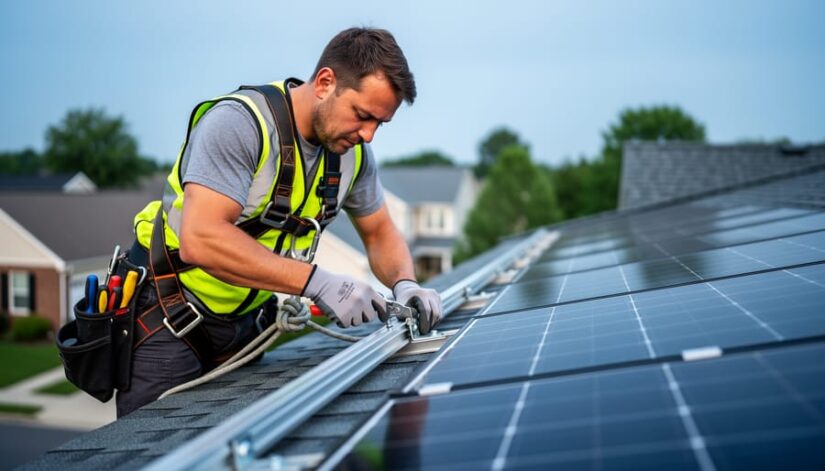
What Makes a Solar Installer Truly Dependable? Our Eighth Quality Marker
Quality number eight on any solar provider checklist is post-installation support: what the company does after the panels are on your roof and the system is switched on. It’s the marker that separates a contractor who sells a system from one who stands behind it for the next 25 years or more. A solar installation is a long-term investment, and the first day of power is only the beginning. Panels need monitoring, inverters need occasional attention, and questions come up long after the crew has packed their ladders.
Dependable service shows up in a few plain ways. You can reach a real person when something looks off. Warranty claims get handled without a runaround. Someone checks that your system is producing what it should. Homeowners and business owners tend to share the same worry: what happens if I need help in year five or year fifteen?
This article walks through why quality matters in solar, how to recognize dependable service, and which questions to put to a contractor before you sign. You’ll also see how local installations benefit the communities around them, because good service tends to ripple outward.
Why Quality and Dependability Matter So Much in Solar
A solar system isn’t something you install and forget about next year. Panels are built to keep producing power for decades, which means the decision you make today follows you for a long time. That’s a good thing when the work is done right, and a frustrating thing when it isn’t.
Think about what actually determines how much you save. The panels matter, of course. But so does how carefully they were placed, how cleanly the wiring was done, and whether the team showed up when they said they would. A small mistake during installation can quietly reduce your energy production for years. A contractor who answers your questions promptly and follows through on promises tends to catch those issues before they cost you anything.
That’s why it helps to stop thinking of quality as a vague feeling and start treating it as a series of markers you can check. Did the installer explain the proposal clearly? Are their technicians properly certified? Do they stand behind the work after the panels go live? Each answer tells you something concrete about how dependable the company will be over the long haul.
This is where our eighth marker comes in. It’s easy to overlook when you’re comparing proposals, yet it often matters most once the installation crew has packed up and driven away.
Quality 8: Support That Continues After the Installation
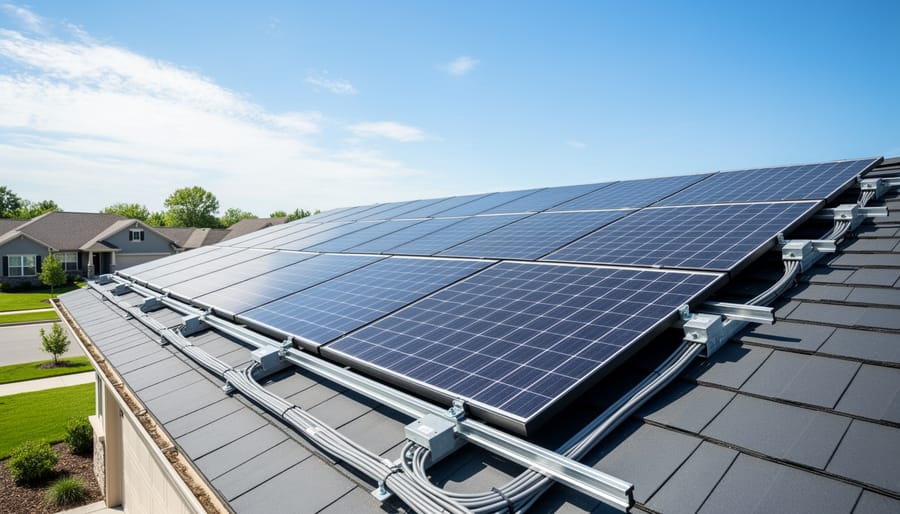
What Ongoing Support Looks Like in Practice
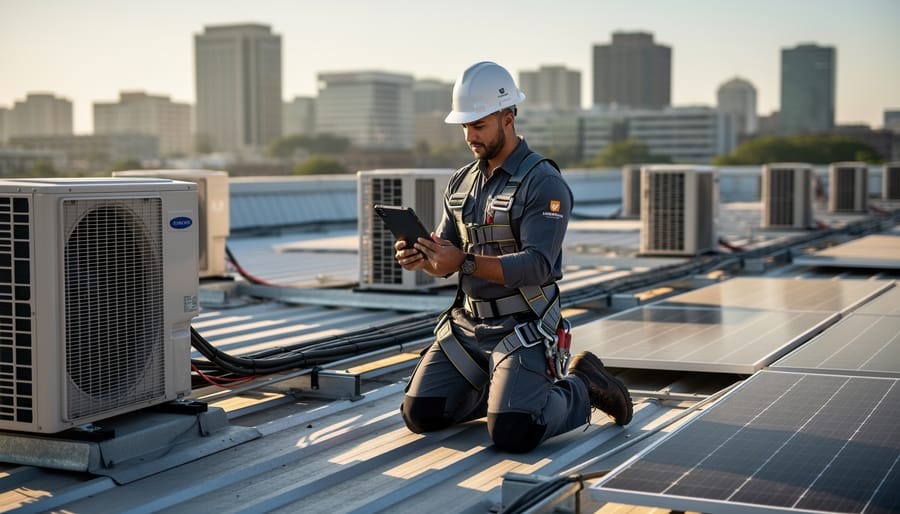
Once your panels are running, the real work of a dependable installer begins. Good post-installation support usually comes down to four things you can see and measure.
The first is system monitoring. Most modern solar systems send performance data to an app or online dashboard, showing how much electricity your panels produce each day. A dependable installer doesn’t just hand you a login and walk away. They keep an eye on that data too, so a dip in output gets noticed quickly rather than discovered months later on your electric bill.
The second is routine maintenance. Solar panels have no moving parts, so they need less attention than many people expect, but they aren’t entirely hands-off. Dust, leaves, loose wiring, or a failing inverter (the device that converts the sun’s energy into power your building can use) can quietly reduce production. Scheduled check-ups catch these things early.
Third, you should always know exactly who to call. That means a real phone number or contact, not a maze of voicemail menus. When your installer gives you a clear point of contact, small questions stay small.
Finally, there’s responsiveness. Timely follow-up matters most when something seems off. A quick acknowledgment, a clear explanation, and a firm plan for a fix show that the installer stands behind their work long after installation day.
Together, these four elements turn a one-time project into a lasting relationship.
How Support Protects Your Savings
A solar system only saves you money when it’s actually producing power. That sounds obvious, but a small problem can quietly cut output for weeks before anyone notices. A loose connection, a shaded panel after a tree grows in, or an inverter that’s started throwing errors can all chip away at your savings without any dramatic warning.
This is where responsive support earns its keep. When someone is watching system performance and you have a clear person to call, minor issues get caught early and fixed while they’re still minor. A quick adjustment now is far easier than diagnosing a bigger failure later.
The benefit looks a little different depending on who you are. A homeowner wants steady bills month after month. A business owner counts on predictable overhead. For industrial operators, even brief dips in output can affect planning, which is why consistent performance matters so much with commercial solar power and larger installations.
The point isn’t that things will constantly go wrong. Most systems run quietly for years. But when something does need attention, a team that responds promptly keeps your system doing the job you paid it to do.
A Customer Story: Support When It Counted

When a solar system is working quietly in the background, it’s easy to forget how much depends on the people behind it. The moment you really find out what dependable service means is when something needs attention.
That’s the situation one of our customers described after her system had been running for some time. A drop in output showed up on her monitoring app, and she reached out wondering whether it was a minor blip or something more serious. She told us afterward what stood out most was the follow-through, not just the fix.
I would love to share her exact words here, but I can’t responsibly invent a quote, a name, or the details of her visit. To keep this story honest, we’ll add her verbatim testimonial, with her permission and attribution, once it has been supplied by our customer team. Placeholder wording would only undermine the trust this article is about.
What we can say plainly is what a story like this should show. A good support experience has a few recognizable parts: a quick acknowledgment, a clear explanation in everyday language, a visit or remote check that actually resolves the problem, and a follow-up so the customer knows production is back to normal.
That kind of responsiveness is exactly what keeps savings steady and helps systems that are meant to pay for themselves do so on schedule. When help arrives quickly, a small question stays a small question.
How Quality 8 Fits With the Other Marks of a Dependable Installer
Post-installation support matters most when it sits alongside the other signs of a dependable installer. No single marker tells the whole story. A team can have years of experience and still leave you guessing about who to call after the panels go live. That is why we look at quality and service as one connected picture rather than a checklist of separate boxes.
Here is how the markers fit together, and what each one means for you.
| Quality marker | What it means for you | A question to ask your contractor |
|---|---|---|
| Certification | The installer has met recognized training standards. | Which certifications does your team hold? |
| Experience | The crew has handled homes and buildings like yours. | Have you completed projects similar to mine? |
| Workmanship | The system is built carefully and meant to last. | What happens if something I was promised is not done right? |
| Clear communication | You know what is happening and when. | Who is my point of contact, and how fast do you reply? |
| Transparent proposals | The costs and scope are easy to understand. | Can you walk me through every line of the quote? |
Notice how they build on each other. Certification and experience shape the quality of the installation itself. Clear communication and honest proposals set expectations before the work begins. Ongoing support, our eighth marker, is what carries those good habits into the years that follow. When all of them are present, the switch to solar feels steady rather than uncertain.
Dependable Service That Strengthens the Community
When a solar installer does the job well and stays reachable afterward, the benefits rarely stop at one front door. Butler Sun Solutions has served over 60,000 customers, and that scale shows how reliable service ripples outward. A homeowner whose system keeps producing tells the neighbor next door. A local business that trims its electric bill has more room to invest in staff and equipment. A community organization that cuts its energy costs can put more of its budget toward the people it serves.
Dependable service is also what makes sustainability real rather than theoretical. Panels only reduce environmental impact if they keep running as intended, year after year. That’s why the habits behind good support, like responsive follow-up and clear points of contact, matter well beyond a single property. If you want a framework for judging this kind of reliability, the idea of service quality dimensions offers a helpful way to look at it.
When more households and organizations in one area rely on clean energy that works consistently, the savings and the environmental gains add up together. Quality service is what turns individual solar decisions into a shared, lasting benefit for the whole community.
Questions to Ask Before You Choose a Solar Contractor
Choosing a solar contractor is easier when you know what to ask. Think of these questions as a conversation starter, not a test. A dependable team will welcome them and answer plainly.
Start with what happens after installation day. Ask who handles maintenance, how often the system is checked, and whether monitoring is included. Then ask how you reach support: a direct phone line, an email address, or a named contact. Finally, ask about certification and licensing, and request proof you can verify yourself. Reputable installers are glad to share it.
It also helps to ask for everything in writing, including warranty terms, what they cover, and who you call if something needs attention years from now. A clear, patient answer to any of these tells you a lot about how the company will treat you later.
How is maintenance usually handled?
Solar systems need little upkeep, but periodic checks and monitoring catch small issues early. Ask whether these are included or billed separately, and how service visits are scheduled.
How quickly should support respond?
Ask for a stated response window and a direct way to reach a real person. A company confident in its service will tell you what to expect.
What does certification tell me?
Certification shows that installers have met recognized training and safety standards. Ask which certifications they hold and how you can confirm them independently.
What should I expect after my system goes live?
You should receive instructions for monitoring your system, a contact for questions, and clear warranty paperwork. Follow-up should feel like a continued relationship, not a handoff.
Take your time with these answers. A contractor who explains things clearly now is likely to do the same long after the panels are on your roof.
Switching to solar is a big decision, and it should feel like one you can make with confidence. The markers we’ve covered, from certified workmanship and clear communication to transparent proposals, all point to the same idea: a dependable installer is one who shows up well before, during, and after installation day.
That’s why the eighth marker matters so much. Panels are built to last for decades, and the right support keeps them performing and keeps your questions answered long after the crew has packed up. When maintenance is routine and help is a phone call away, the switch to solar feels seamless rather than risky.
Whether you’re powering a home, a storefront, or an industrial facility, you deserve a team that treats your investment as a long-term relationship. If you’d like to talk through your options, we’re happy to answer your questions and offer a consultation, with no pressure and no rush.
